
START WITH THE PART
What does the part
need to do?
Describe the load, temperature, movement and finish. Then compare materials, check the machine and define a trial that answers the important questions.
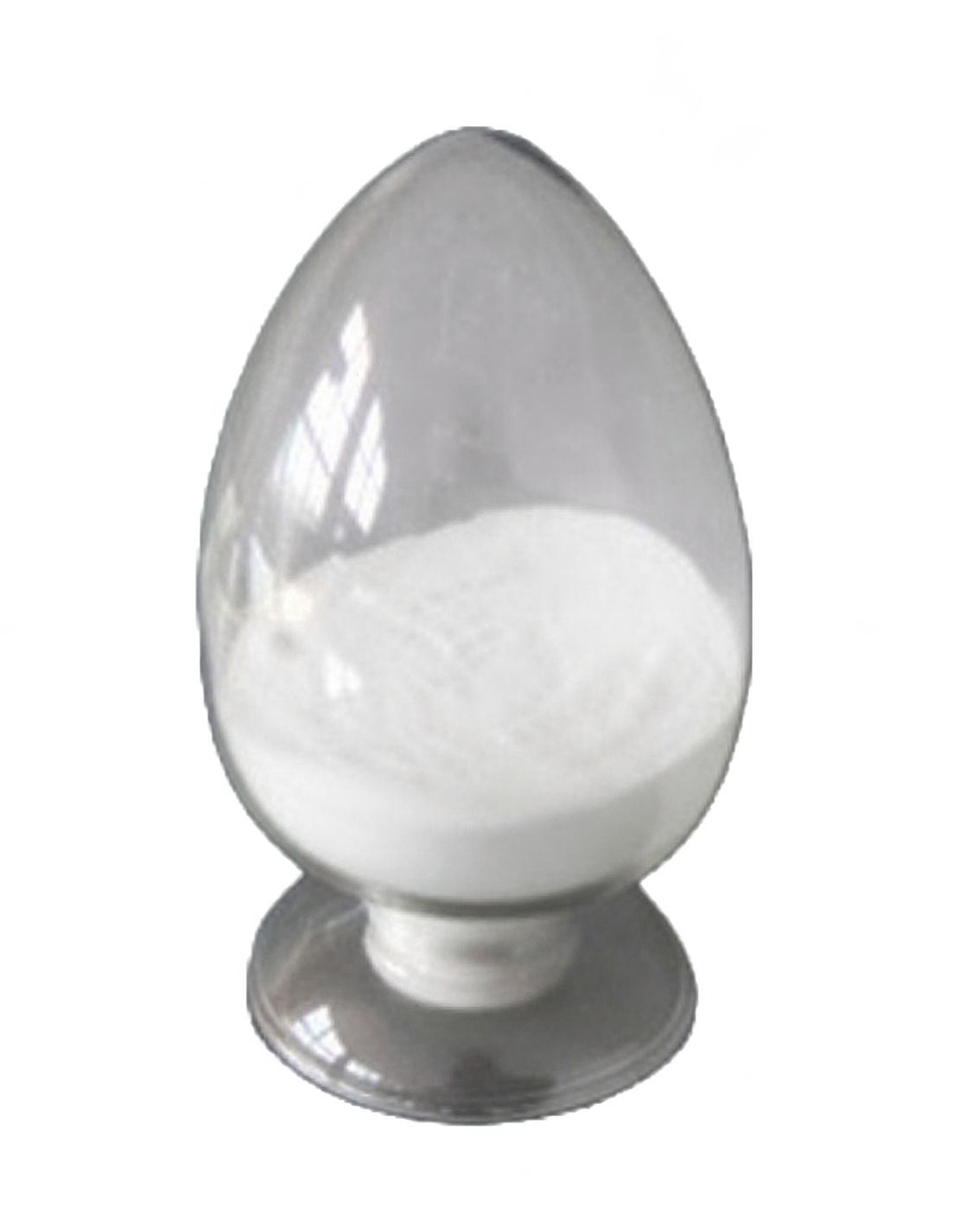
Farsoon FS3300PA raw powder specimen, from the manufacturer annual-report grade table.
What must stay accurate?
Critical fits, tolerances and the state in which they are measured.
What will it experience?
Load, time, heat, chemicals, moisture and outdoor exposure.
What can your process do?
Machine configuration, preparation, print route and finishing.
What counts as a pass?
A representative part, defined test and recorded approval result.
EIGHT APPLICATION GUIDES
Choose the job closest to yours.
Each guide covers material directions, practical checks, a sample brief and grades to review. The pictured materials are manufacturer examples, not customer case studies.
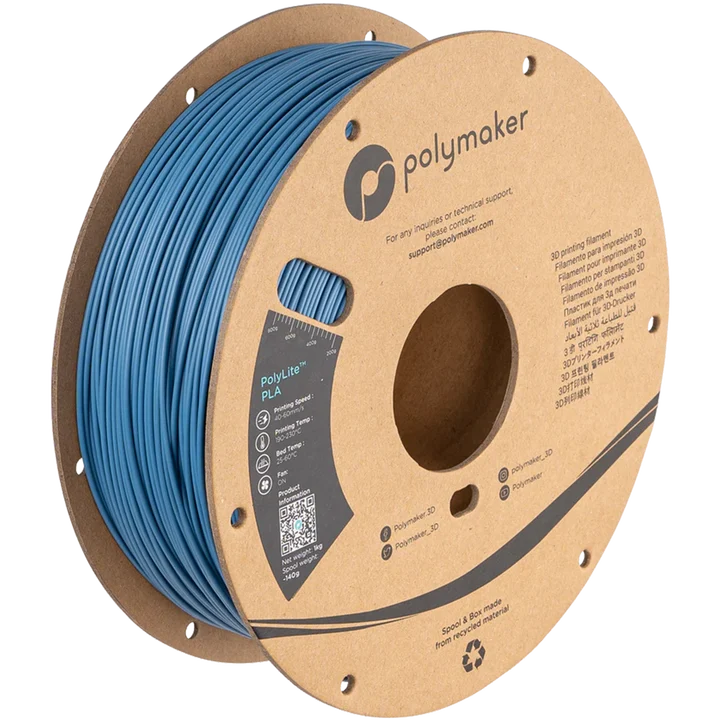 Manufacturer material example
Functional prototyping
Choose a prototype material around fit, movement, load and the decision the prototype needs to support.
Start with: critical fit and dimensionsOpen the application guide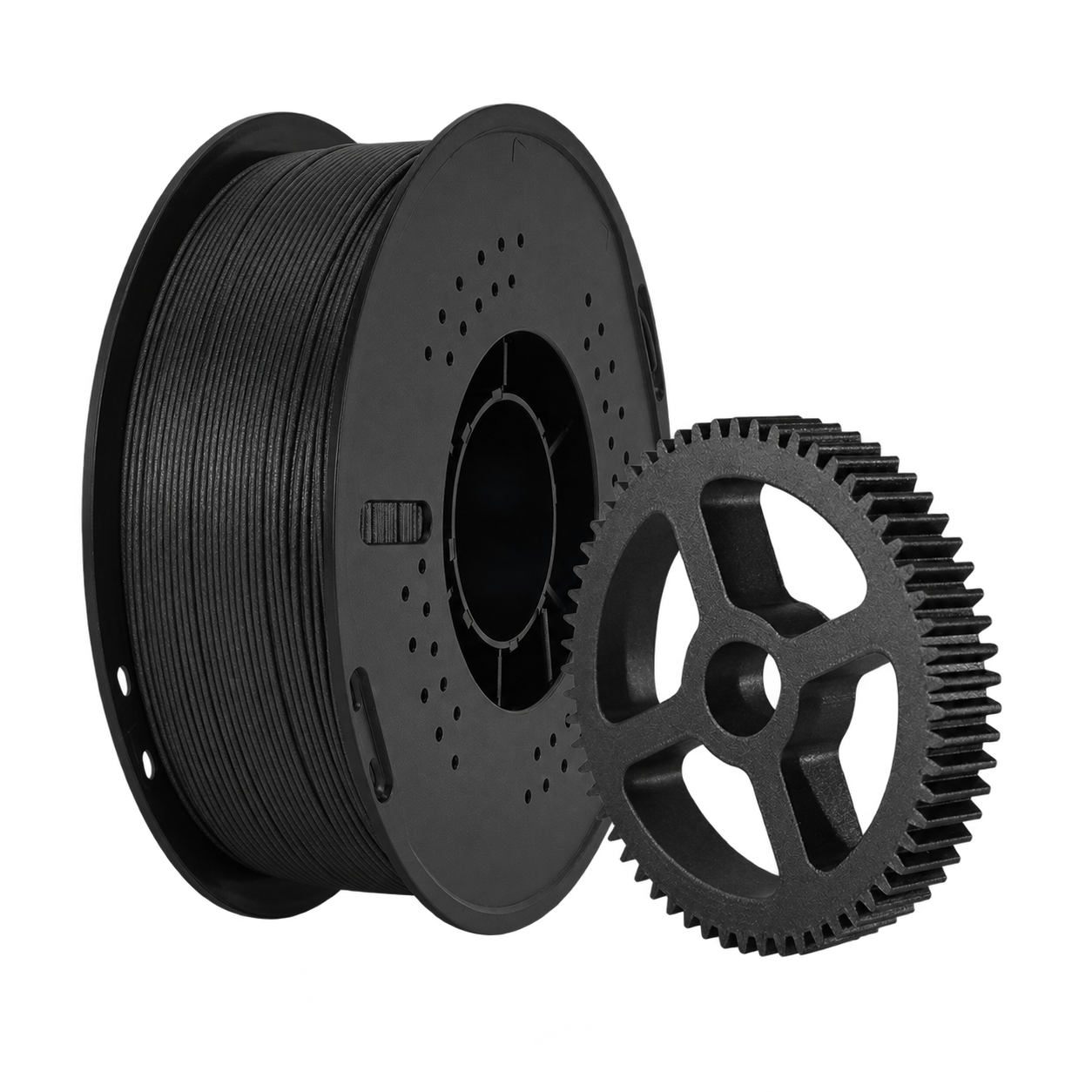 Manufacturer material example
Jigs, fixtures & tooling
Specify how the tool locates, clamps and wears before choosing a stiff or reinforced material.
Start with: clamping force and durationOpen the application guide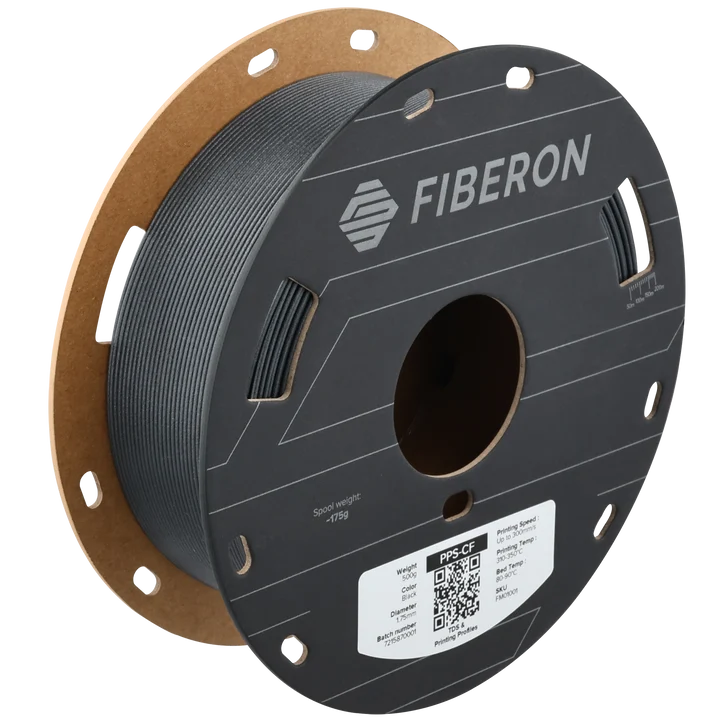 Manufacturer material example
High-temperature parts
Evaluate PPS, PEI, PEEK and related systems against the loaded service condition and the complete printing setup.
Start with: normal and peak part temperatureOpen the application guide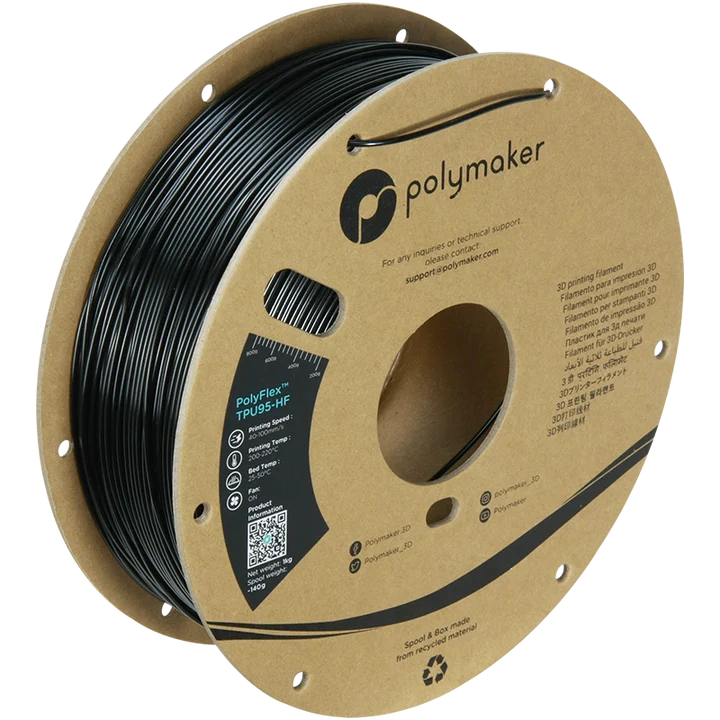 Manufacturer material example
Flexible components
Compare TPU filament, TPU powder and elastic resin using geometry, hardness scale and the actual loading cycle.
Start with: hardness scale and target feelOpen the application guide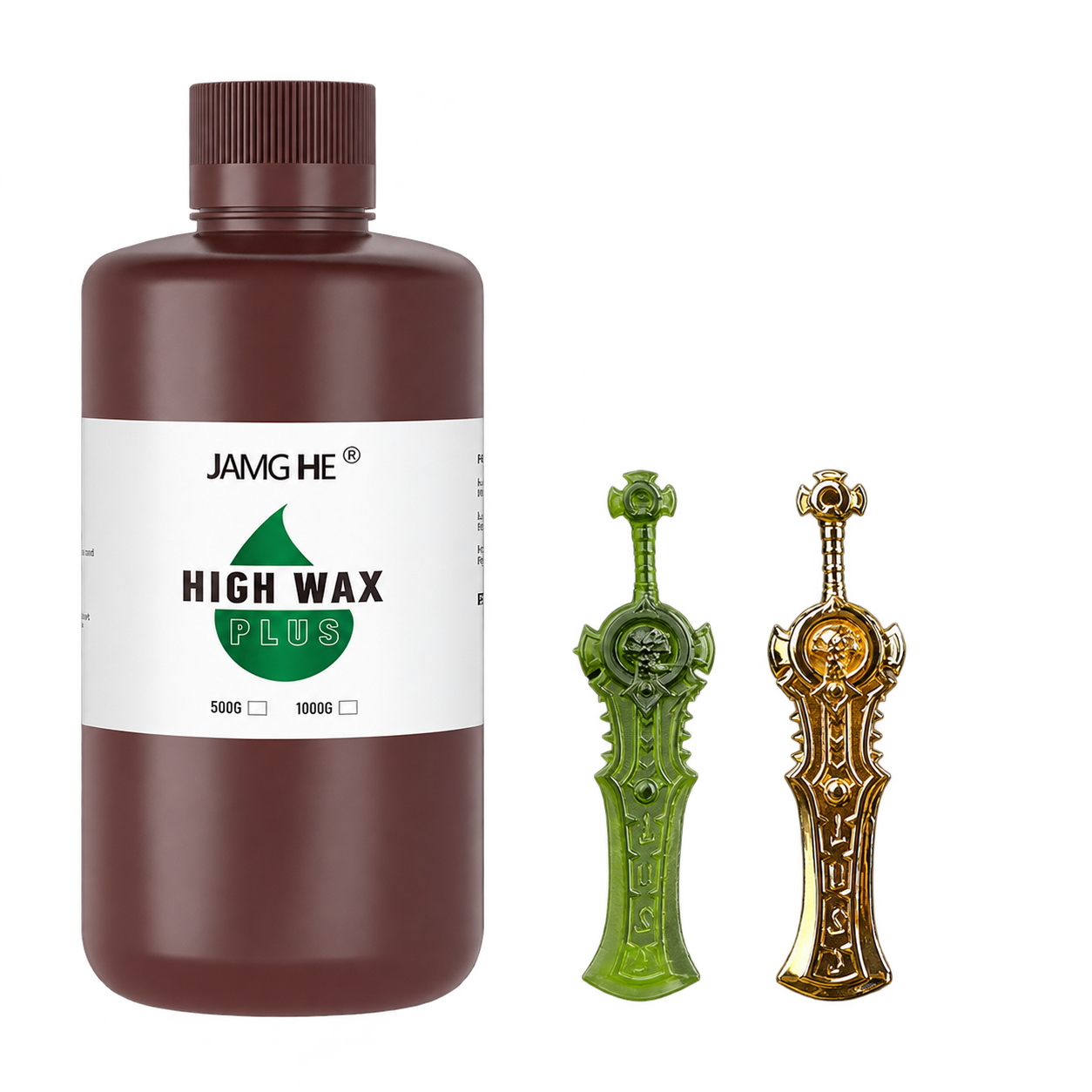 Manufacturer material example
Jewelry & precision casting
Choose casting feedstock around geometry, investment, preparation and burnout requirements.
Start with: fine features and thick sectionsOpen the application guide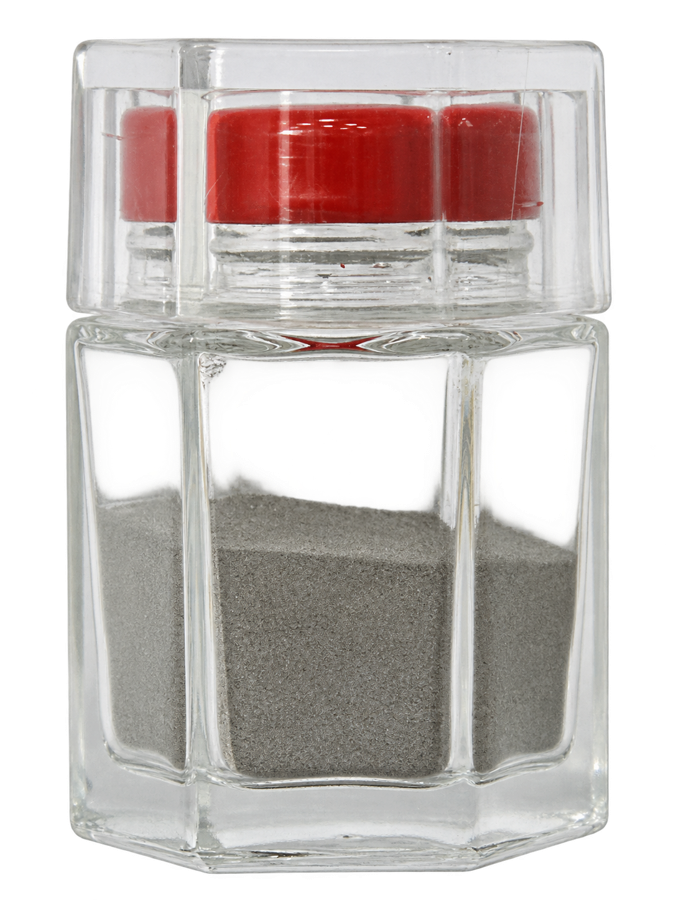 Manufacturer material example
Metal part production
Build the purchase requirement around alloy chemistry, particle characteristics, supplied condition and batch evidence.
Start with: alloy specification and chemistryOpen the application guide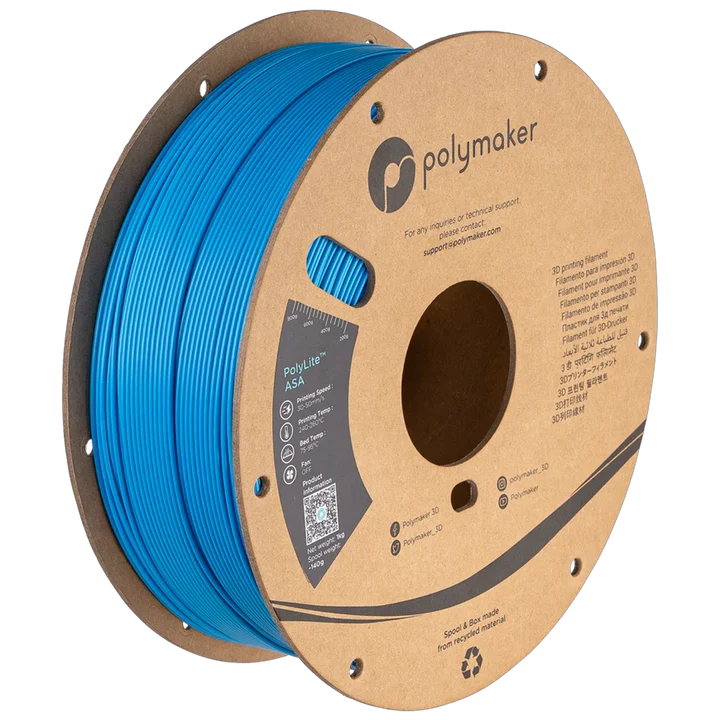 Manufacturer material example
Outdoor housings & components
Review UV, moisture, thermal cycling and chemical contact alongside fit and surface requirements.
Start with: uv and weathering exposureOpen the application guideManufacturer material exampleSmall-batch production
Compare geometry, packing, finishing and yield before selecting material for a recurring production run.
Start with: repeatable critical featuresOpen the application guidePROCESS EXPLAINER
What changes when the feedstock changes?
Educational schematic · simplified · not to scale
Melt. Deposit. Build layer by layer.
A heated nozzle lays down paths of material. The geometry, path direction and bonding between layers influence the part.
- What you buy
- A thermoplastic filament grade in the correct diameter and pack.
- What follows
- Remove supports as needed; follow grade-specific conditioning or thermal treatment.
- What to confirm
- Nozzle, feed path, bed/chamber, drying and a grade-specific profile.
Educational schematic · simplified · not to scale
Spread a layer. Fuse the selected region.
A recoater spreads powder and an energy source forms the selected cross-section. Surrounding powder supports the build.
- What you buy
- A compatible polymer powder with defined distribution and condition.
- What follows
- Cool and recover parts, clean the surface, and follow the approved powder recovery/refresh route.
- What to confirm
- Powder/process match, thermal conditions, recovery, refresh and finishing.
Educational schematic · simplified · not to scale
Melt the selected region of a metal powder bed.
A laser selectively melts metal powder using the system’s specified atmosphere and parameter set. The feedstock and qualified process work together.
- What you buy
- An alloy- and particle-specific powder for the installed metal-AM system.
- What follows
- Follow the qualified route for build-plate/support removal, any required thermal treatment, finishing and inspection.
- What to confirm
- Alloy chemistry, particle distribution, machine configuration, atmosphere and part qualification.
Educational schematic · simplified · not to scale
Expose a layer of a formulated liquid.
Light cures selected regions of resin. Viscosity, exposure, layer separation and supports are part of the workflow.
- What you buy
- A formulated photopolymer for the intended exposure system.
- What follows
- Wash and dry as instructed, then apply the required post-cure and finishing.
- What to confirm
- Exact resin, machine/exposure profile, cleaning and cure conditions.
Educational schematic · simplified · not to scale
Form the green part. Then finish the material.
Printing or forming creates an intermediate green part. A compatible binder-removal and sintering route develops the final part.
- What you buy
- A dedicated metal- or ceramic-binder feedstock system.
- What follows
- Carry out the approved downstream process and inspect shrinkage, dimensions and final properties.
- What to confirm
- Forming machine, binder system, downstream provider and final-part acceptance.
FROM A SHORTLIST TO AN APPROVED MATERIAL
Make the trial answer a real question.
A successful sample needs a record: the exact grade and lot, machine configuration, profile, preparation and measured result. Use that record to define what the next order must reproduce.
Build a sample acceptance planCompare equivalent data
Test methods, print direction and conditioning belong beside the headline property.
Use representative geometry
Include the holes, walls, supports or contact surfaces that challenge the design.
Approve the final state
Inspect after the required drying, curing, thermal treatment or finishing.
LET’S SPECIFY IT TOGETHER
Have a part requirement rather than a grade name?
Send the application, installed machine and what must pass. We can start with the open selection questions.