DEFINE THE JOB
Specify the feedstock and the qualified process.
A shared alloy name does not make different powder cuts or feedstock forms interchangeable. State the manufacturing route, machine and required part condition. Keep incoming powder requirements separate from printed and heat-treated specimen data.
Typical project questions
- Feedstock qualification for an installed metal-AM process.
- Replacement-grade evaluation against an approved specification.
- Traceable trial lots before recurring production purchases.
Material systems worth evaluating.
These are selection directions. Compare current exact-grade data and confirm the installed process before approving a material.
| Material direction | Why review it | What still needs checking |
|---|---|---|
| Metal LPBF powder | A defined alloy and spreading process | Particle distribution, chemistry and qualified parameters |
| DED powder | A compatible delivery and deposition system | Feedstock cut, feeding characteristics and process requirements |
| Bound-metal feedstock | A forming/debind/sinter workflow | Binder system, downstream capability and final-part criteria |
A practical trial and approval sequence.
Write the feedstock specification
Agree on chemistry, distribution, methods and relevant acceptance tests.
Run the approved process route
Record powder identity, condition, machine and required post-treatment.
Accept the required evidence
Review batch documents and representative part results against the agreed criteria.
Details to resolve early
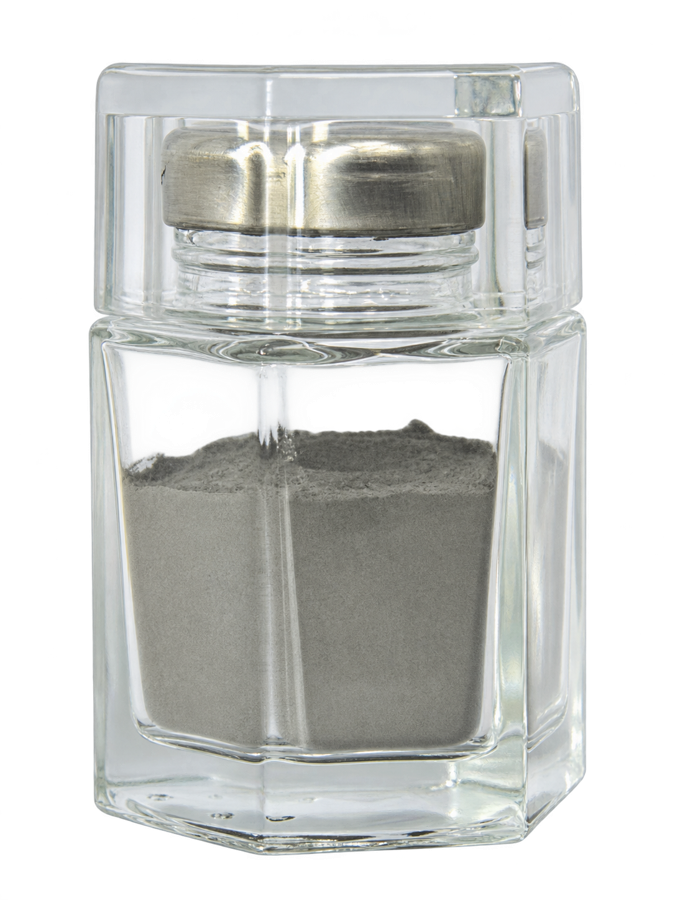
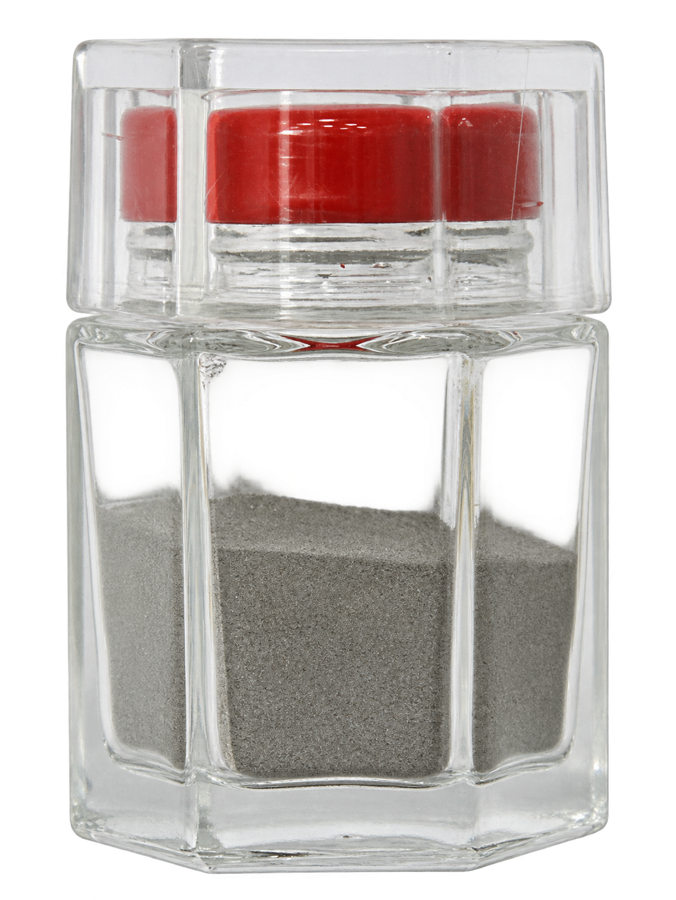
- A micrograph is a sample field, not a complete particle-size distribution.
- A CoC and a measured COA can provide different evidence.
- Recovered powder needs a controlled identity and approval route.
What to put in your inquiry.
Replace the bracketed fields with your project details.
Material/alloy standard: [designation]. Route/machine: [details]. Particle distribution and test method: [requirements]. Chemistry/oxygen or other limits: [requirements]. Supplied condition: [virgin/recovered/approved blend]. Batch documents: [scope]. Trial/recurring quantity: [values]. Destination and pack: [details].
Buyer questions
Can I use one powder specification for LPBF and DED?
Confirm the feedstock requirements of each installed system. Shared chemistry does not establish the required distribution or feeding behavior.
Can a technical image qualify a powder lot?
Use agreed batch characterization and process evidence. Images can illustrate morphology but do not establish every acceptance criterion.
Sources
- NIST — variation in metal-AM powder feedstock
Measurement and sampling affect reported powder size distribution.
- EOS — metal-powder handling
Powder integrity, receiving, storage and recovery considerations.
- Carpenter Additive — PowderRange brochure
Powder properties and conformity documentation; historical brochure, not a current availability or COA promise.