DEFINE THE JOB
Specify the movement, feel and recovery.
A soft material and a thin geometry can both make a part flexible. The same Shore value does not determine the feel of every lattice, pad or thin wall. Describe displacement, contact and recovery alongside the hardness scale, then trial a representative shape.
Typical project questions
- Protective pads and compliant contact features.
- Flexible housings and grips.
- Lattice or cushioning development samples.
Material systems worth evaluating.
These are selection directions. Compare current exact-grade data and confirm the installed process before approving a material.
| Material direction | Why review it | What still needs checking |
|---|---|---|
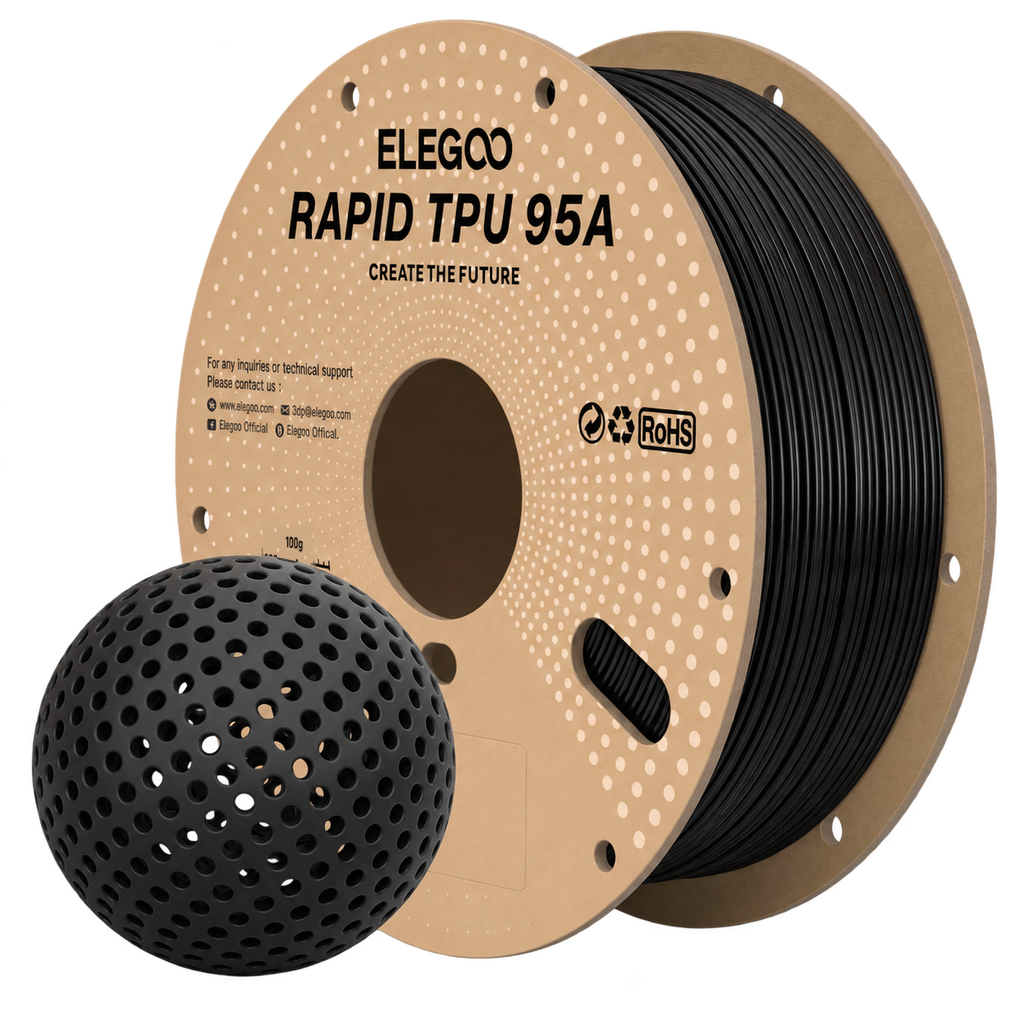
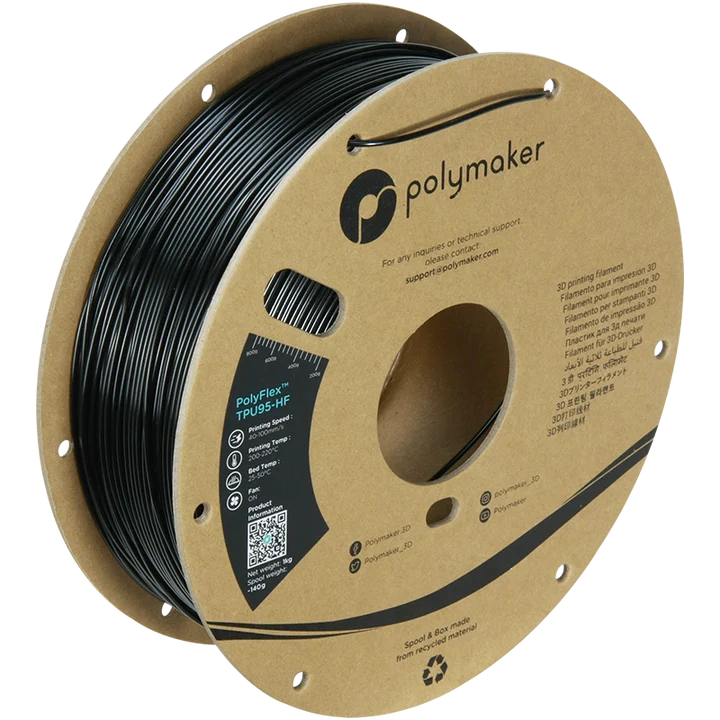
| TPU filament | Flexible parts on a compatible feed system | Hardness, feed path, flow and part orientation |
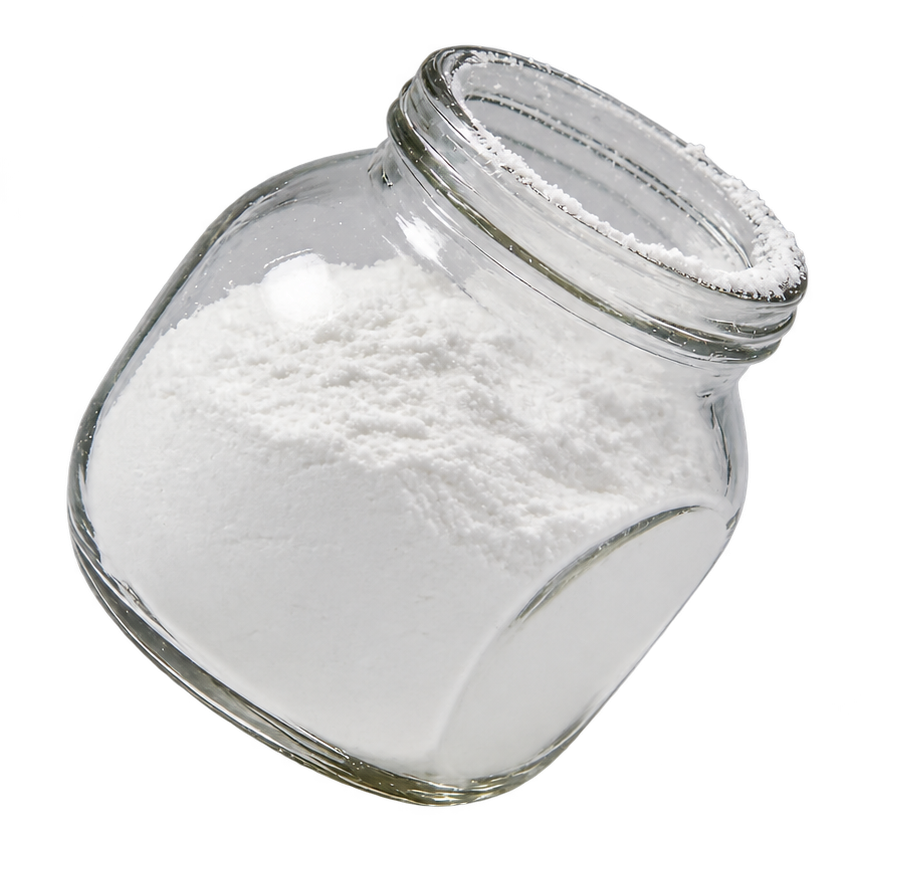
| TPU SLS powder | Complex flexible shapes without dedicated print supports | Powder/process match, finish and recovery behavior |
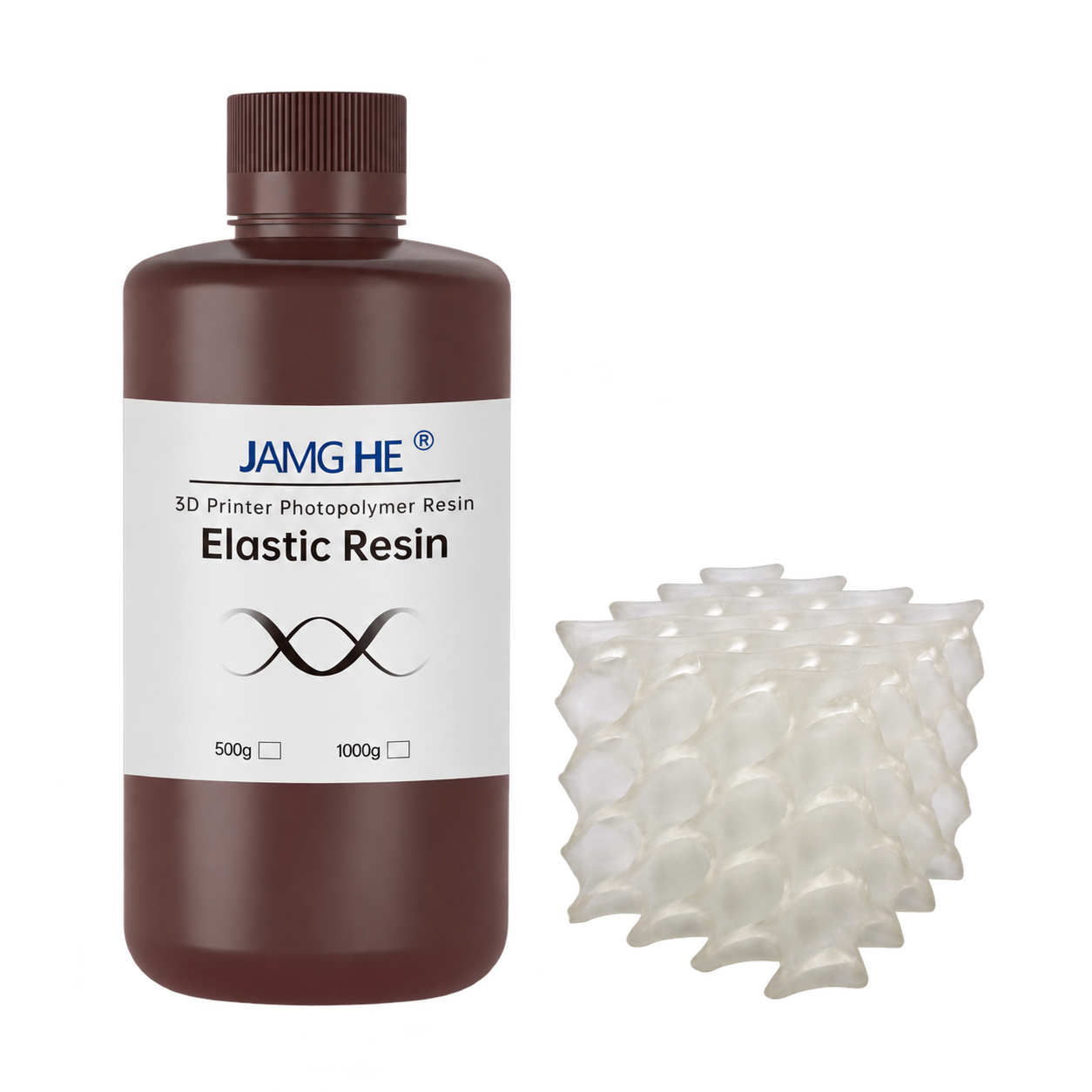
| Elastic resin | Detailed compliant features | Printer profile, cure state and long-term material behavior |
A practical trial and approval sequence.
Define the required movement
Use a force/displacement or compression target where possible.
Print a representative section
Include actual wall thickness, lattice or contact surface.
Check recovery and aging
Observe dimensions and function after the relevant repeated cycles or exposure.
Details to resolve early
- Shore A and Shore D are distinct scales.
- Elongation at break is not a repeated-flex lifetime measurement.
- A soft filament may need feed-path and spool-handling changes.
What to put in your inquiry.
Replace the bracketed fields with your project details.
Application: flexible [pad/grip/feature]. Required movement/force: [target]. Hardness scale/reference sample: [details]. Wall/lattice geometry: [drawing]. Repeated cycles and environment: [conditions]. Machine: [model]. Please quote trial options with grade-specific processing information.
Buyer questions
Can two 95A grades feel different in a finished part?
Formulation, geometry, orientation and process can change the result. Compare a representative feature, not hardness alone.
Does an elastic resin behave like thermoplastic TPU?
Compare the exact cured photopolymer and thermoplastic grade for the intended exposure and cycles.
Sources
- Formlabs — material selection and mechanical properties
How stiffness, elongation and other properties relate to the part's job.
- Formlabs — FDM, SLA and SLS comparison
Process and workflow differences; manufacturer-specific capabilities are not universal material approvals.