DEFINE THE JOB
Define the heat exposure before the grade.
A high thermal number on a datasheet needs its test conditions. Describe the actual part temperature, load and dwell, then compare the grade in its required printed, annealed or conditioned state. Check the equipment needed to achieve that state before purchasing.
Typical project questions
- Hot-air components and equipment covers.
- Tooling exposed to defined thermal cycles.
- Fixtures needing dimensional retention under heat.
Material systems worth evaluating.
These are selection directions. Compare current exact-grade data and confirm the installed process before approving a material.
| Material direction | Why review it | What still needs checking |
|---|---|---|
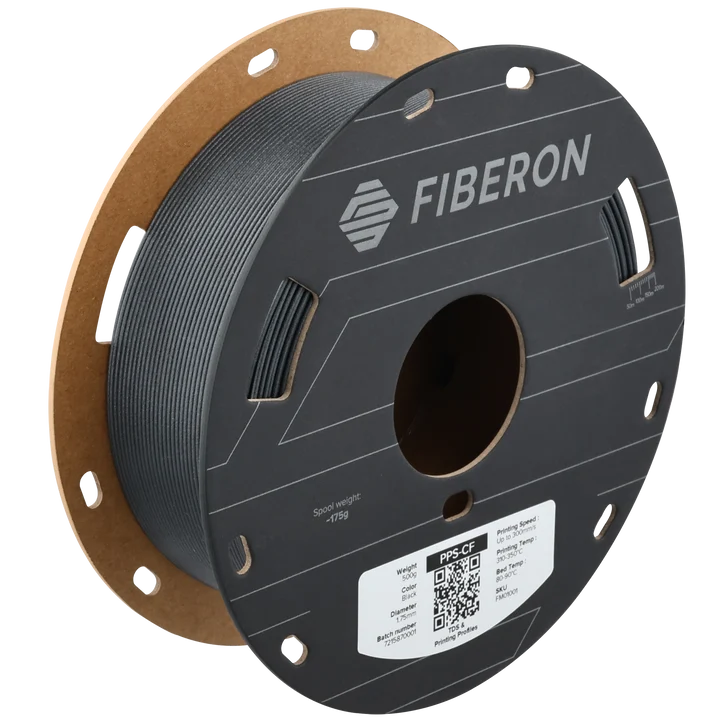
| PPS-based or reinforced grades | Stiff, heat-exposed engineering parts | Required preparation, process window and loaded service data |
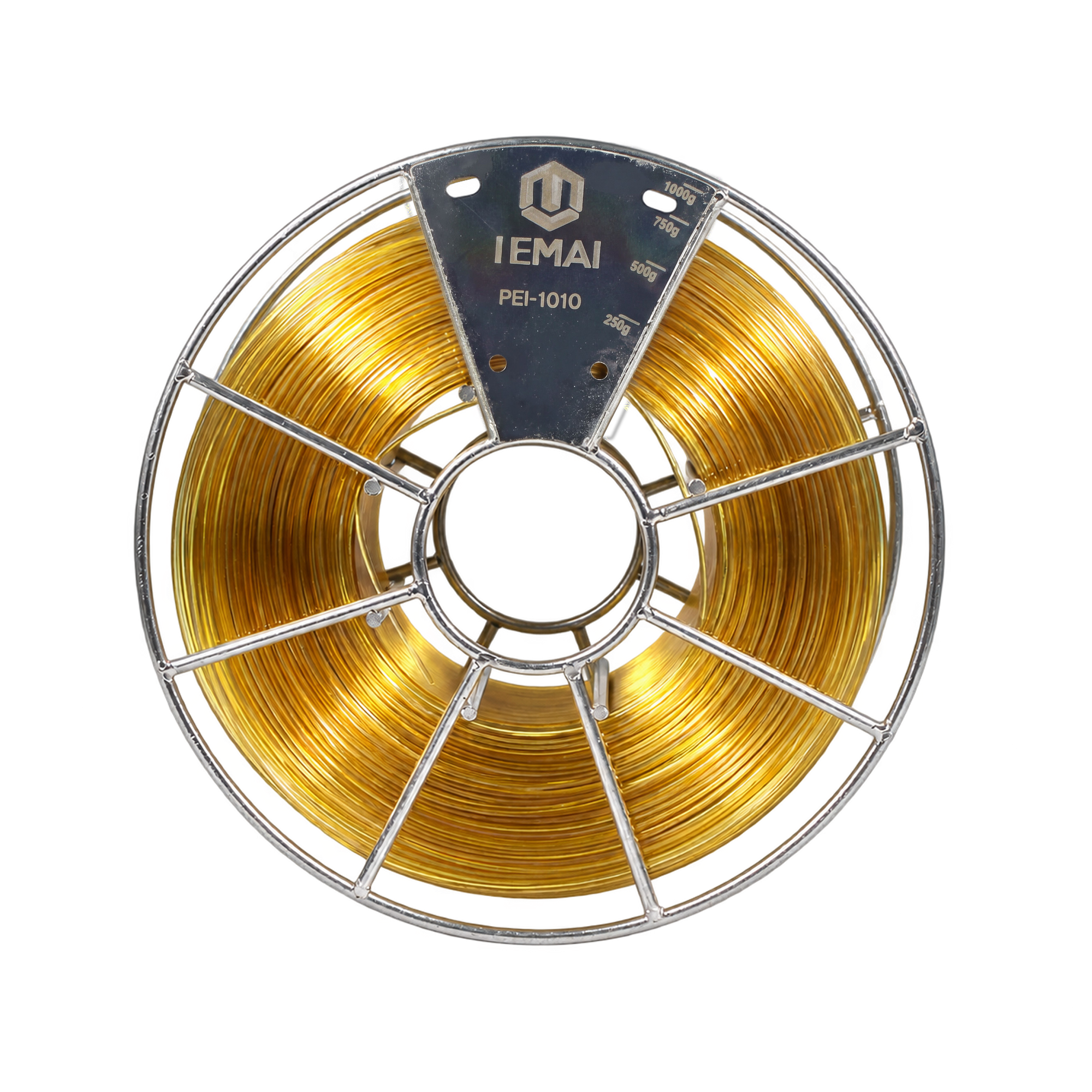
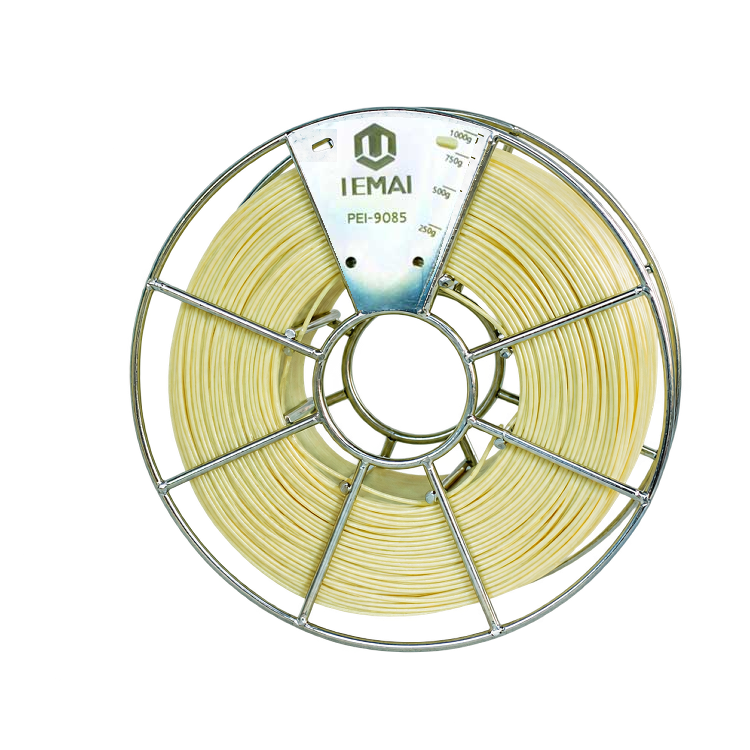
| PEI grades | High-temperature engineering designs | Machine/chamber requirements and grade-specific properties |
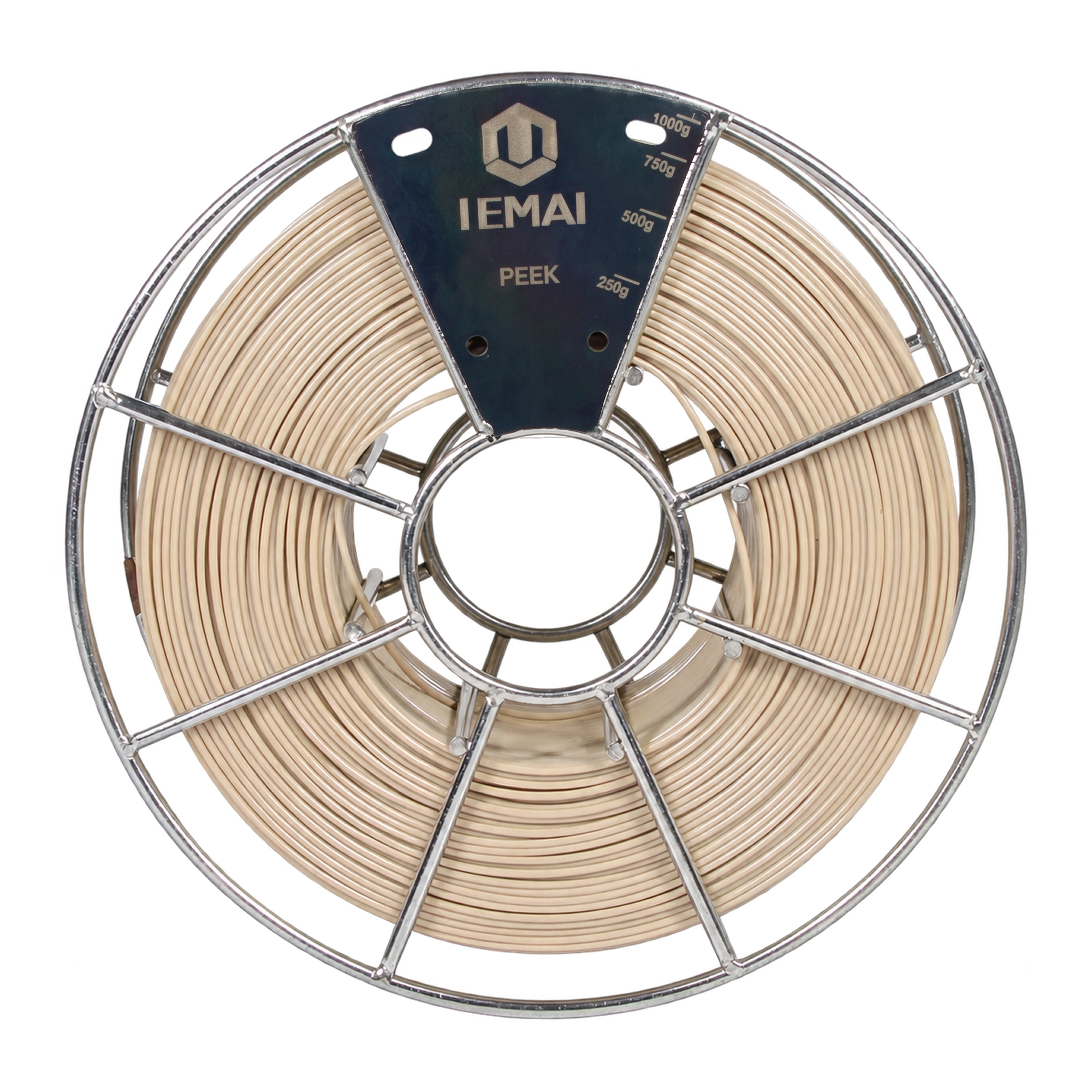
| PEEK / PEKK systems | Demanding thermal and chemical applications | Complete processing route, thermal history and qualification |
A practical trial and approval sequence.
Write the thermal duty
Record part temperature, load, duration and number of cycles.
Confirm process capability
Check hot end, bed, chamber, dryer and any required thermal treatment.
Test the final state
Inspect fit and function after loaded heat exposure and cooling.
Details to resolve early
- HDT, glass transition, melting and continuous service ratings describe different conditions.
- A printer temperature limit does not establish a validated material profile.
- Annealing can alter dimensions; allow for reinspection in the approval plan.
What to put in your inquiry.
Replace the bracketed fields with your project details.
Application: heat-exposed [part]. Normal/peak part temperature: [values]. Exposure duration/cycles: [values]. Load and dimensional limit: [values]. Chemicals: [conditions]. Printer/nozzle/bed/chamber capability: [details]. Please identify exact-grade requirements and a suitable trial/approval plan.
Buyer questions
Which material can continuously withstand a stated temperature?
Start with the exact load, duration, environment and geometry, then request grade-specific service evidence and a representative test.
Does reinforcement remove the need for a heated chamber?
Follow the exact grade’s process requirements. A filler label alone does not define chamber requirements.
Sources
- Polymaker — filament selection guide
Grade-specific equipment, drying and annealing requirements.
- Prusa — annealing 3D printed parts
Thermal treatment can change both performance and dimensions.